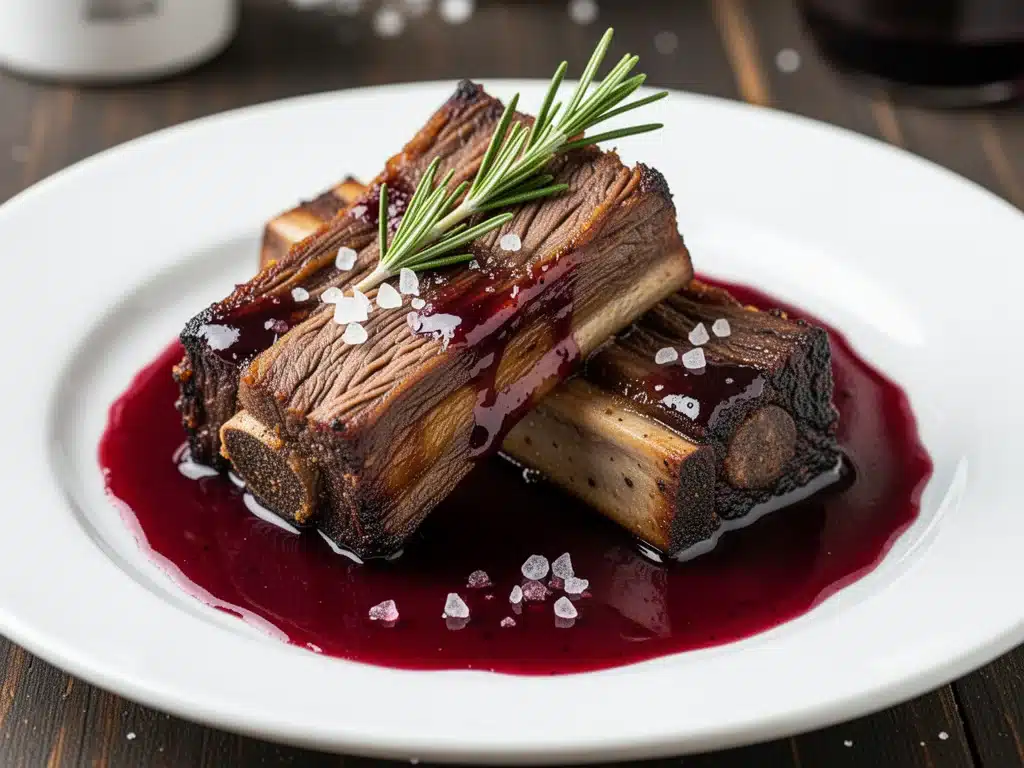
Last winter, during that one polar vortex week when the power flickered and my heating bill threatened to bankrupt us, I decided to do something radical. I turned off the furnace, wrapped myself in three blankets, and braised a pot of beef short ribs in my slow cooker. It was the only thing keeping me sane while the wind howled outside like a wounded animal. Those ribs didn’t just feed us; they saved us. They became this warm, red-wine-soaked anchor in a week that felt like it would never end.
That experience taught me something important about comfort food. It’s not just about calories. It’s about the smell. The way the scent of braising beef and red wine seeps into your curtains, your hair, your soul, and convinces everyone in the house that everything is going to be okay. That’s what these Winter Braised Short Ribs with Red Wine Sauce do. They turn a chaotic Tuesday into a memory you’ll talk about for years.
I’ve made this recipe dozens of times since that frozen week. Sometimes in the oven, sometimes in a Dutch oven on the stove, and occasionally in the slow cooker when I’m being lazy. The result is always the same: meat so tender it falls apart at the touch of a fork, and a sauce so rich and glossy you’ll want to drink it with a spoon. This isn’t just dinner. It’s an event. It’s the kind of meal that makes people stop talking and just eat. And honestly? That’s the highest compliment a home cook can receive.
People ask me for this Winter Braised Short Ribs with Red Wine Sauce recipe constantly. They want to know how I get the meat so tender without spending all day standing over the stove. They want the secret to the sauce that looks like it came from a high-end bistro but costs less than a takeout order. Well, here it is. No fancy techniques, no obscure ingredients you have to order from overseas. Just good beef, decent wine, and a little bit of patience.
Why You’ll Love This Recipe
There are a lot of beef recipes out there, but this Winter Braised Short Ribs with Red Wine Sauce stands out because it does the heavy lifting for you. You don’t need to be a master chef to pull this off. In fact, the less you fuss, the better it turns out. Here’s why this has become my go-to for impressing guests or just treating myself on a long weekend.
Melt-in-Your-Mouth Texture — Seriously, this is the main event. The collagen in the short ribs breaks down during the long, slow cook into gelatin, which gives the meat this unctuous, silky texture that just disappears on your tongue. I’ve tried this with chuck roast, but it never quite hits the same spot. Short ribs are worth the extra cost.
Set It and Forget It — After the initial 20 minutes of searing and chopping, you’re done. You put the lid on and walk away. For the next three hours, your house will smell incredible. I can answer emails, fold laundry, or just sit on the couch while dinner cooks itself. It’s the ultimate low-effort, high-reward meal.
Sauce That Steals the Show — The liquid in the pot reduces into this dark, glossy, deeply flavorful sauce that clings to the meat. It’s not just gravy; it’s complex, with notes of wine, thyme, and caramelized onions. I’ve served this sauce over mashed potatoes, egg noodles, and even polenta, and it’s been a hit every single time. You’ll likely make extra sauce just for this purpose.
Perfect for Crowds — Need to feed six people for a dinner party? Or just a hungry family? This recipe scales up beautifully. You can make it in a large Dutch oven or a slow cooker. The flavors actually get better the next day, so it’s fantastic for meal prep or leftovers. I’ve never had a batch of leftovers last more than two days in my house.
Impressive but Approachable — When I serve this, people assume I spent hours in the kitchen. They ask about the wine pairing, the garnish, the presentation. But the truth is, it’s just beef and wine braised until tender. It feels fancy because the ingredients are simple and the result is elegant. It’s the perfect dish for showing off without showing off.
This recipe has saved me more times than I can count. It’s my answer to “I want something special but I don’t want to stress.” And the best part? The cleanup is minimal. One pot (or two, if you’re searing in batches). That’s a win in my book.
Ingredients You’ll Need
Before we get into the cooking, let’s talk about what you need. This recipe relies on quality ingredients because there aren’t that many of them. When the list is short, every ingredient shines. I’m particular about a few things here, and I’ll tell you exactly why so you can make smart swaps if needed.
For the Meat
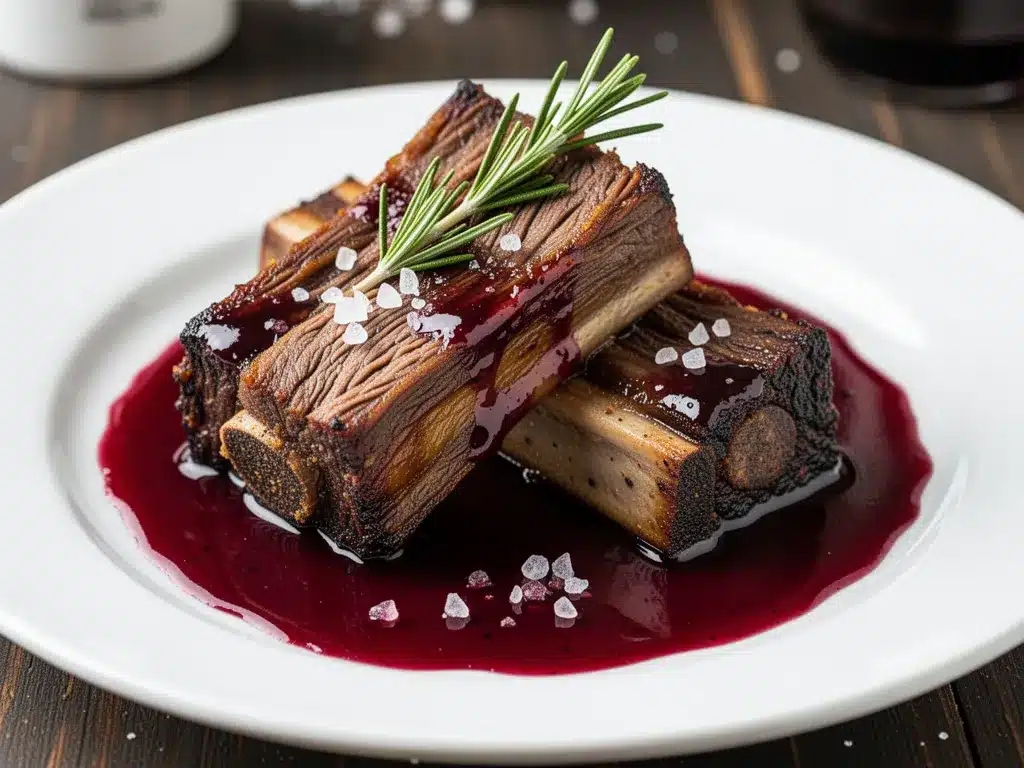
Beef Short Ribs (3-4 pounds) — This is the star. Look for English-cut short ribs, which are cross-cut into individual pieces. They’re easier to handle and cook evenly. Flanken-cut (long strips) work too, but you’ll need to adjust the cooking time. Bone-in ribs add more flavor to the sauce, so don’t skip them if you can find them.
For the Aromatics
Yellow Onions (2 large, chopped) — These provide the sweet, savory base. Don’t rush them. You want them soft and translucent before you add the garlic. I like to chop them into rough chunks; they’ll break down enough during cooking.
Garlic (6 cloves, minced) — Yes, six cloves. This is a garlic-forward dish. Fresh garlic only. Jarred garlic has a metallic taste that ruins the elegance of the sauce. If you’re worried about garlic breath, too bad—this is worth it.
Carrots (2 large, chopped into 2-inch pieces) — These add sweetness and color to the sauce. They’ll get soft and almost melt into the dish. If you’re not a carrot person, you can swap them for celery, but carrots are traditional for a reason.
For the Braising Liquid
Red Wine (1 bottle, 750ml) — This is crucial. Use a wine you’d actually drink. If it tastes bad in the glass, it will taste bad in the pot. A Pinot Noir or Cabernet Sauvignon works beautifully. Pinot is lighter and fruitier; Cab is bolder and tannic. I usually go with Pinot for this because it doesn’t overpower the beef.
Beef Broth (1 cup, low-sodium) — This adds depth and body to the sauce. Low-sodium is important because the wine and soy sauce will add salt. Regular broth can make the dish too salty.
Soy Sauce (2 tablespoons) — This is my secret weapon. It adds umami and helps brown the sauce. It doesn’t make the dish taste Asian; it just deepens the beef flavor. Don’t skip it.
For the Flavor Boosters
Tomato Paste (2 tablespoons) — This adds richness and a bit of acidity. It helps balance the sweetness of the wine and onions. Cook it in the oil for a minute before adding the wine to remove the raw metallic taste.
Worcestershire Sauce (1 tablespoon) — Another umami booster. A few dashes go a long way. Adds complexity without tasting like it’s there.
Fresh Thyme (4-5 sprigs) — Thyme and beef are best friends. Fresh thyme is best, but dried works in a pinch. Use 1 teaspoon dried thyme if that’s all you have. Bay leaves (2) are also great here.
Flour (2 tablespoons) — Used to dust the ribs before searing. This helps thicken the sauce and creates a nice crust on the meat.
Butter (2 tablespoons) — Added at the end to finish the sauce. This is called “monté au beurre” in French cooking, and it gives the sauce a glossy, restaurant-quality shine.
Oil (2 tablespoons, vegetable or canola) — For searing the ribs. Olive oil burns at high heat, so stick with neutral oil for the searing step.
Salt and Black Pepper — To taste. But be generous when seasoning the ribs before searing. This is your main chance to salt the meat.
Equipment Needed
You don’t need a fancy kitchen to make this. Here’s what I actually use, and what you can substitute if you don’t have it.
Dutch Oven — I use a 7-quart enameled cast iron Dutch oven. It’s heavy, retains heat well, and goes from stovetop to oven. This is the best tool for this job. If you don’t have one, a heavy-bottomed pot works too.
Baking Sheet — For chopping veggies. Or just use your cutting board.
Knife and Cutting Board — Sharp knife for chopping onions and carrots. Dull knives are dangerous and frustrating.
Wooden Spoon — For stirring. Silicone works too. Metal can scratch enameled cast iron.
Measuring Cups and Spoons — Standard stuff. Dollar store versions are fine.
Spatula — For scraping the bottom of the pot. Those brown bits (fond) are flavor gold.
Slow Cooker (Optional) — If you prefer to use a slow cooker, you can. Sear the ribs in a skillet first, then transfer everything to the slow cooker. Cook on low for 6-8 hours.
Strainer (Optional) — If you want a smoother sauce, you can strain out the veggies and herbs before serving. I usually leave them in for texture.
How to Make It: Step-by-Step
Alright, let’s make this! I’m walking you through exactly how I do it, including the little tricks I’ve picked up over the years.
Step 1: Prep the Meat (10 minutes)
Pat the short ribs dry with paper towels. This is important. Wet meat steams instead of sears. Season them generously with salt and pepper on all sides. Then, lightly dust them with flour, shaking off any excess. The flour helps create a crust and thickens the sauce later.
Step 2: Sear the Ribs (10 minutes)
Heat oil in your Dutch oven over medium-high heat. Once the oil shimmers, add the ribs in a single layer. Don’t overcrowd the pan; do this in batches if needed. Sear for 3-4 minutes per side until deeply browned. This step builds flavor. It’s not about cooking the meat through; it’s about browning. Set the seared ribs aside on a plate.
Step 3: Sauté the Veggies (5 minutes)
Reduce heat to medium. Add the onions and carrots to the same pot. Cook for 5-7 minutes, stirring occasionally, until softened. Add the garlic and tomato paste. Cook for 1 minute, stirring constantly. The tomato paste should darken slightly. This cooks out the raw taste.
Step 4: Deglaze and Braise (5 minutes)
Pour in the red wine. Use your wooden spoon to scrape up all the brown bits from the bottom of the pot. These bits are pure flavor. Let the wine simmer for 2 minutes to cook off the alcohol. Add the beef broth, soy sauce, Worcestershire sauce, thyme sprigs, and bay leaves. Stir to combine.
Step 5: The Long Cook (2.5-3 hours)
Return the ribs to the pot, nesting them into the liquid. The liquid should come about halfway up the ribs, not fully submerge them. Cover the pot with a tight-fitting lid. Transfer to a 325°F (160°C) oven. Braise for 2.5 to 3 hours, or until the meat is fork-tender. Check at 2 hours; if it’s not tender enough, give it another 30 minutes.
Step 6: Finish the Sauce (5 minutes)
Remove the pot from the oven. Carefully lift out the ribs and set them aside on a platter. Skim off excess fat from the surface of the sauce with a spoon. If you want a smoother sauce, strain it now. If you like chunks of veggies, leave them in. Return the pot to the stove over medium heat. Let the sauce simmer for 5-10 minutes to reduce and thicken. Stir in the butter at the end for a glossy finish.
Step 7: Serve
Remove the thyme sprigs and bay leaves. Taste the sauce and adjust salt and pepper if needed. Pour the sauce over the ribs. Garnish with fresh parsley if you have it. Serve immediately.
Expert Tips & Tricks
Here’s everything I’ve learned from making this dozens of times. These tips will save you from my mistakes.
Don’t Skip the Sear — I know it’s tempting to just throw everything in the pot. But searing creates Maillard reaction, which adds depth and complexity. Without it, the dish tastes flat. Take the time to brown the meat.
Use Good Wine — Again, use a wine you’d drink. You don’t need a $50 bottle, but avoid “cooking wine” from the grocery store. It’s full of salt and preservatives. A $15-20 bottle is perfect.
Low and Slow — If the meat is still tough after 2.5 hours, don’t serve it. Put it back in the oven for another hour. Short ribs need time for the collagen to break down. Rushing this step results in chewy, unpleasant meat.
Skim the Fat — Beef short ribs are fatty. After cooking, a layer of fat will rise to the top. Skimming it off makes the sauce less greasy and more elegant. If you’re making this ahead, chill it in the fridge overnight. The fat will solidify on top, and you can easily lift it off.
Make It Ahead — This dish tastes even better the next day. The flavors meld and deepen. Make it the night before, reheat gently, and serve. It’s less stressful and often more delicious.
Variations & Substitutions
Once you’ve nailed the basic version, here’s how you can mix it up. I’ve tried all of these.
Slow Cooker Version — Follow the searing steps, then transfer everything to a slow cooker. Cook on low for 6-8 hours. Great for busy days.
Instant Pot Version — Sear the ribs using the sauté function. Add all ingredients. Pressure cook on high for 35 minutes. Quick release. The sauce will be thinner; simmer on sauté to reduce.
White Wine Version — Swap red wine for dry white wine (like Sauvignon Blanc). Add 1 tablespoon lemon juice. This creates a lighter, more delicate sauce. Good with chicken or pork ribs.
Spicy Version — Add 1 teaspoon red pepper flakes or a diced jalapeño with the onions. Adds a nice kick that cuts through the richness.
Vegetarian Swap — Swap short ribs for large portobello mushrooms or seitan. Cook time will be shorter. The sauce works great with these substitutes.
Serving & Storage
How to Serve: — I serve this over creamy mashed potatoes, buttered egg noodles, or crusty bread to soak up the sauce. A simple green salad with a vinaigrette balances the richness. Roasted Brussels sprouts are also a great side.
Leftovers: — Store in an airtight container in the fridge for up to 4 days. The meat gets even more tender as it sits. Reheat gently on the stove with a splash of broth or water to loosen the sauce.
Freezing: — This freezes well for up to 3 months. Thaw in the fridge overnight and reheat gently. The sauce may separate slightly; whisk it back together when reheating.
Nutrition Information
I’m not a nutritionist, but here’s the breakdown if you’re tracking. This is a rich, hearty meal, so portions matter.
Per Serving (based on 4 servings):
- Calories: 650
- Protein: 45g
- Carbs: 12g
- Fiber: 2g
- Fat: 42g
- Saturated Fat: 18g
- Cholesterol: 180mg
- Sodium: 680mg
What’s Good: — High in protein, iron, and B vitamins. The collagen is good for joint health. What to Know: — High in saturated fat and calories. Use low-sodium broth and skim the fat to reduce sodium and fat. Pair with vegetables to balance the meal.
Final Thoughts
So that’s my Winter Braised Short Ribs with Red Wine Sauce! It’s not just a recipe; it’s an experience. It turns your kitchen into a warm, inviting space and fills your home with the most amazing smell. Whether you’re feeding a crowd or just treating yourself, this dish delivers. It’s tender, flavorful, and deeply satisfying.
I hope you give it a try. Make it yours! Add your favorite herbs, swap the wine, or change the side dishes. The best recipes are the ones you adapt to your tastes. If you make this, drop a comment and let me know how it turned out. I love hearing from you.
Happy cooking! And I hope your kitchen smells half as good as mine does right now.
Frequently Asked Questions
Can I use a different cut of beef?
You can try chuck roast or brisket, but short ribs are best because of the high collagen content. Chuck roast will be tender but won’t have that gelatinous, silky texture. If you must use chuck, cook it longer and expect a different mouthfeel.
What wine should I use?
Use a dry red wine you enjoy drinking. Pinot Noir, Cabernet Sauvignon, or Merlot are all great choices. Avoid sweet wines like Moscato or cheap “cooking wine.” The wine reduces, so its flavor concentrates. Bad wine = bad sauce.
Can I make this in a slow cooker?
Yes! Sear the ribs in a skillet first, then add everything to the slow cooker. Cook on low for 6-8 hours. The sauce will be thinner, so you may need to thicken it on the stove after cooking. This is perfect for busy days.
Why is my sauce too thin?
It probably needs more time to reduce. Simmer it uncovered on the stove for 10-15 minutes. You can also make a slurry with 1 teaspoon cornstarch and 1 tablespoon water, then whisk it into the sauce. But reducing is usually better for flavor.
Can I freeze leftovers?
Absolutely. Let it cool completely, then freeze in an airtight container for up to 3 months. Thaw in the fridge overnight. Reheat gently on the stove. The sauce may separate slightly; just whisk it back together.
How do I store leftovers?
Store in the fridge for up to 4 days. The fat will solidify on top, which is normal. You can skim it off before reheating. Reheat gently on the stove with a splash of broth to loosen the sauce.
Pin This Recipe!
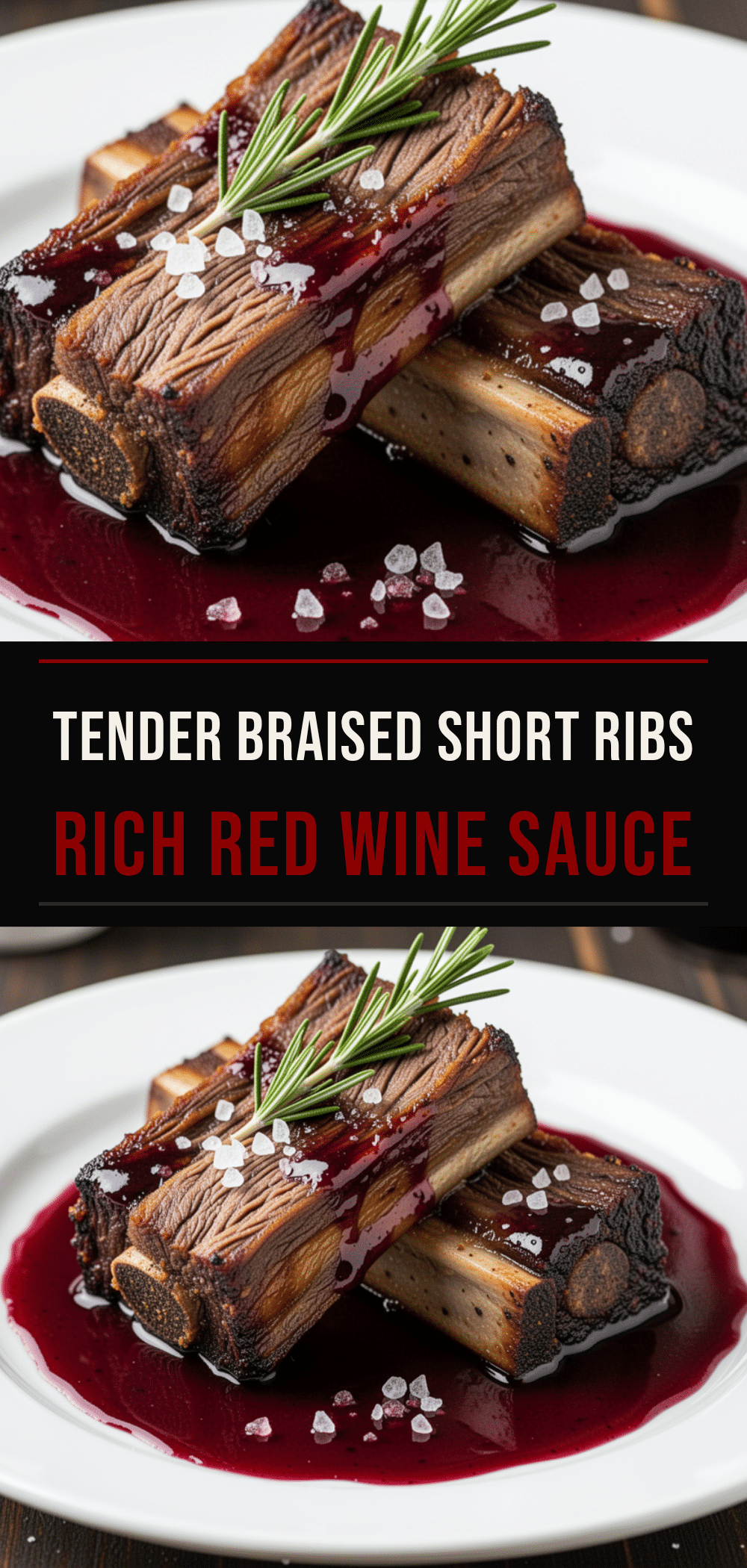
Winter Braised Short Ribs with Red Wine Sauce
- Total Time: 3 hours 20 minutes
- Yield: 4 servings 1x
Description
Tender beef short ribs braised slowly in red wine, beef broth, and aromatics until they fall apart, finished with a rich, glossy sauce. A comforting, low-effort meal perfect for cold weather.
Ingredients
- 3–4 pounds beef short ribs (English-cut, bone-in preferred)
- 2 tablespoons vegetable or canola oil
- 2 tablespoons all-purpose flour
- Salt and black pepper to taste
- 2 large yellow onions, chopped
- 2 large carrots, chopped into 2-inch pieces
- 6 cloves garlic, minced
- 2 tablespoons tomato paste
- 1 bottle (750ml) dry red wine (Pinot Noir or Cabernet Sauvignon)
- 1 cup low-sodium beef broth
- 2 tablespoons soy sauce
- 1 tablespoon Worcestershire sauce
- 4–5 sprigs fresh thyme (or 1 teaspoon dried thyme)
- 2 bay leaves
- 2 tablespoons unsalted butter
- Fresh parsley for garnish (optional)
Instructions
- Pat the short ribs dry with paper towels. Season generously with salt and pepper, then lightly dust with flour, shaking off excess.
- Heat oil in a large Dutch oven over medium-high heat. Sear ribs in batches for 3-4 minutes per side until deeply browned. Remove and set aside.
- Reduce heat to medium. Add onions and carrots to the pot; cook for 5-7 minutes until softened. Add garlic and tomato paste; cook for 1 minute until tomato paste darkens slightly.
- Pour in the red wine, scraping up brown bits from the bottom of the pot. Simmer for 2 minutes to cook off alcohol.
- Add beef broth, soy sauce, Worcestershire sauce, thyme sprigs, and bay leaves. Stir to combine.
- Return ribs to the pot, nesting them into the liquid (liquid should come halfway up the ribs). Cover with a tight-fitting lid.
- Transfer to a 325°F (160°C) oven and braise for 2.5 to 3 hours, or until meat is fork-tender.
- Remove pot from oven. Lift out ribs and set aside on a platter. Skim excess fat from the sauce surface.
- Return pot to stove over medium heat. Simmer sauce for 5-10 minutes to reduce and thicken. Stir in butter at the end for a glossy finish.
- Remove thyme sprigs and bay leaves. Taste and adjust seasoning. Pour sauce over ribs and garnish with parsley if desired.
Notes
[‘Do not skip the searing step; it creates essential flavor through the Maillard reaction.’, “Use a wine you would drink; avoid ‘cooking wine’ which contains added salt and preservatives.”, ‘If making ahead, chill overnight to easily remove solidified fat from the sauce surface.’, ‘For slow cooker method: Sear ribs first, then cook on low for 6-8 hours.’, ‘Sauce can be strained for a smoother texture, or left with vegetables for heartier consistency.’]
- Prep Time: 20 minutes
- Cook Time: 3 hours
- Category: Main Course
- Cuisine: American
Nutrition
- Serving Size: 1-2 ribs with sauce
- Calories: 650
- Sodium: 680
- Fat: 42
- Saturated Fat: 18
- Carbohydrates: 12
- Fiber: 2
- Protein: 45
Keywords: braised short ribs, red wine sauce, comfort food, winter recipe, slow cooker beef, dutch oven recipe, beef short ribs, easy dinner


