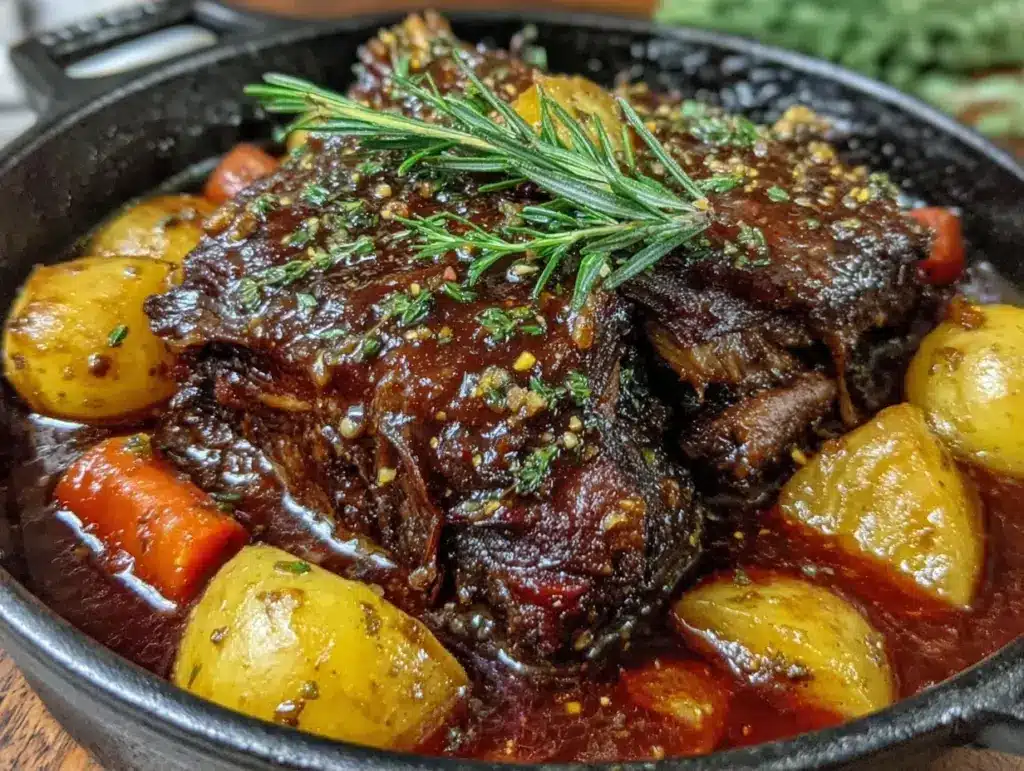
It was one of those humid July evenings where the air feels heavy enough to chew on. I was standing by my smoker, sweating through my shirt, watching the white smoke curl up into the darkening sky. Most people see BBQ as just cooking meat. I see it as therapy. And honestly? This smoked maple dijon pork shoulder is the therapy I needed most that night.
I’ve been smoking pork for years. I’ve burned briskets until they were charcoal, I’ve overcomplicated rubs with too many spices, and I’ve definitely cried over dry pulled pork. But this recipe? This one clicked. It’s not complicated. It’s not pretentious. It’s just four hours of patience rewarded with meat that falls apart at the touch of a fork.
The combination of smoky maple and sharp dijon mustard creates a bark that is sticky, savory, and slightly sweet. It’s the kind of pork shoulder that makes your neighbors walk by the fence just to ask what you’re doing. I made this last month for a backyard gathering, and let me tell you, the plate was empty before I could grab my own second helping. If you’re looking for a way to use your smoker this weekend, this is it. This smoked maple dijon pork shoulder is ready in 4 hours of active cooking time (though it sits in the smoker longer), and the results are worth every minute.
I’ve tested this exact rub and temperature profile about six times. Some versions were too sweet, others not tangy enough. This ratio? It’s the Goldilocks zone. The maple brings the color and the sticky texture, while the dijon cuts through the richness of the pork fat. It’s balanced. It’s bold. And it’s going to become your new go-to for weekend smoking.
Why You’ll Love This Recipe
Look, I know there are a million pork recipes out there. You can find them in cookbooks, on Pinterest, and on every food blog in existence. So why this one? Here’s the real talk.
- The Bark is Insane — You know that dark, crusty exterior on smoked meat? That’s the bark. With the maple and dijon, this bark gets sticky and caramelized. I’ve tried sugar-heavy rubs, but they often just melt away. This one sticks. It creates this beautiful, dark mahogany shell that holds the smoke flavor perfectly.
- It’s Forgiving — Pork shoulder (also called Boston butt) is a tough cut. It has intramuscular fat that needs to break down. If you undercook it by 30 minutes, it’s still good. If you overcook it by an hour, it’s still tender. This cut is perfect for beginners who are nervous about temperature control. I’ve made mistakes with this cut, and it’s rarely a disaster.
- Flavor Profile is Unique — Most BBQ rubs are paprika, brown sugar, and chili powder. This swaps the sugar for maple and the heat for mustard. It’s brighter. It’s tangier. It pairs incredibly well with a simple slaw or pickles, cutting through the fat of the meat.
- Hands-Off Cooking — Once you rub the meat and throw it on the smoker, you’re done. You’re not stirring, you’re not basting every ten minutes. You’re sitting on the porch, drinking a beer, watching the smoke. It’s the best excuse to take a break from the kitchen.
- Leftovers Are Better — Let’s be honest, we rarely eat all the smoked pork in one sitting. The next day, this meat is even better. I shred it for breakfast tacos, I put it in sandwiches, and I even mix it into scrambled eggs. It reheats beautifully because the collagen has already done its work.
This is my go-to when I want to impress guests without spending all day in the kitchen. It’s reliable, it’s delicious, and it makes your house smell like a premium BBQ joint.
Key Ingredients
You don’t need a pantry full of exotic spices for this. In fact, simplicity is the secret. Here is what you need to get that perfect smoked maple dijon pork shoulder.
Pork Shoulder (Boston Butt) (6-7 lbs / 2.7-3.2 kg) — This is the cut. It’s well-marbled and tough, which means it needs low and slow cooking. Look for a piece that feels heavy for its size and has good marbling. Avoid boneless if you can help it; the bone adds flavor. I usually buy two smaller butts if I can’t find one big one, but one large piece is ideal for a single cook.
Maple Syrup (1/3 cup / 80 ml) — Not pancake syrup. Real maple syrup. Grade A or Grade B both work, but Grade B has a stronger, more robust flavor that stands up to the smoke. This is what helps the rub stick and creates that sticky bark. If you’re out, you can use honey, but the flavor will be different. Maple is non-negotiable for this specific profile.
Dijon Mustard (1/4 cup / 60 g) — This acts as the binder. It helps the dry rub adhere to the wet meat. But more importantly, it adds that sharp, acidic kick. Whole grain Dijon works too if you like a bit of texture, but smooth Dijon creates a smoother base. Do not use yellow mustard. It’s too weak and vinegary for smoking.
Smoked Paprika (2 tbsp / 12 g) — This gives you that deep red color and a subtle smoky flavor before the meat even hits the smoker. Regular paprika works, but smoked paprika amplifies the outdoor cooking experience. I prefer the Spanish variety, but any smoked paprika will do.
Garlic Powder (1 tbsp / 8 g) — Fresh garlic burns in the smoker. Powdered garlic gives you that consistent onion/garlic flavor throughout the bark. Make sure it’s not clumped. If your garlic powder is old and dusty, toss it and get fresh. It makes a huge difference.
Onion Powder (1 tbsp / 8 g) — Complements the garlic. It adds a savory depth without the moisture of fresh onion, which would prevent the bark from forming.
Brown Sugar (1 tbsp / 15 g) — Just a little bit. We aren’t making candy. This helps with caramelization. Since we have maple syrup, we keep the sugar low to avoid burning.
Cayenne Pepper (1 tsp / 2 g) — Optional, but recommended. It adds a slow-building heat that cuts through the sweetness. If you’re sensitive to spice, start with 1/2 tsp.
Kosher Salt (1.5 tbsp / 25 g) — Use kosher salt. Table salt is too dense and salty by volume. If you use table salt, reduce the amount by half. The salt draws out moisture and helps the seasoning penetrate the meat.
Black Pepper (1 tbsp / 6 g) — Freshly cracked is best. It adds a sharp bite that balances the sweet maple.
Tools Needed
You don’t need a $2,000 pellet grill to make this. I’ve made this smoked maple dijon pork shoulder on a cheap charcoal kettle grill and a high-end offset smoker. Here’s what I recommend.
Smoker or Grill — I use an offset smoker, but a charcoal grill set up for indirect heat works perfectly. If you have a pellet grill, even better. The key is maintaining a steady temperature of 225°F to 250°F (107°C to 121°C). Avoid gas grills if you can; you want that wood smoke flavor.
Meat Thermometer — This is non-negotiable. I use an instant-read thermometer for checking the internal temp, and I highly recommend an leave-in probe thermometer. It lets you monitor the meat without opening the lid and losing heat. Opening the lid frequently is the #1 mistake beginners make.
Aluminum Foil — You’ll need heavy-duty foil. You’ll use this for the “Texas Crutch” method later in the cook. It speeds up the process and keeps the meat moist.
Meat Hook or Tongs — Heavy-duty tongs are essential for handling the hot meat. A meat hook is nice if you have a large shoulder, as it makes moving the meat easier.
Butcher Paper or Foil — For wrapping. I prefer butcher paper because it allows the bark to breathe a little, keeping it crispier than foil does. But foil works fine if that’s all you have.
How to Make Smoked Maple Dijon Pork Shoulder
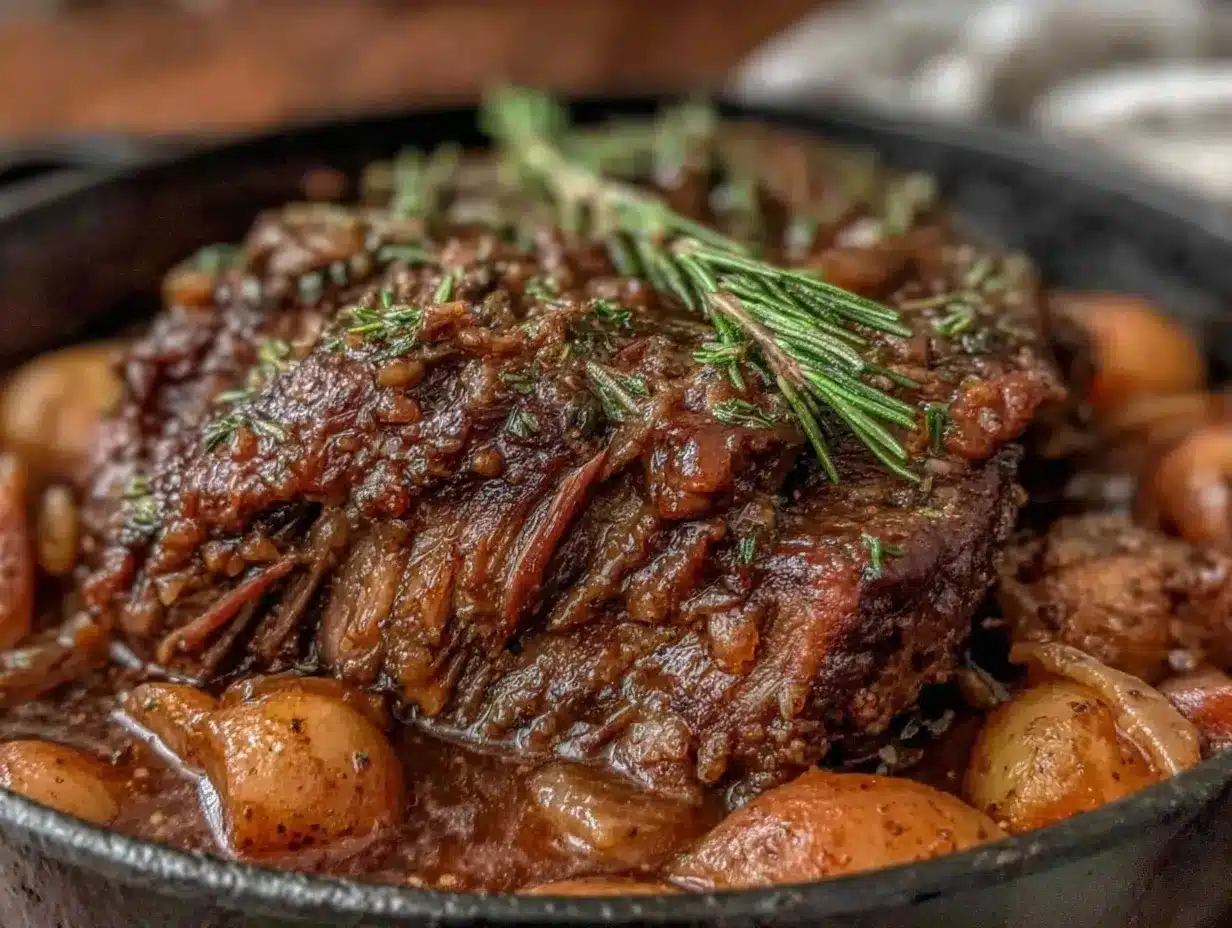
Let’s get into the nitty-gritty. This isn’t rocket science, but it does require attention to detail. Here is exactly how I do it.
Step 1: Prep the Meat (15 minutes)
Take your pork shoulder out of the fridge. Let it sit on the counter for about 30-45 minutes before you season it. Cold meat hits the smoker and drops the temperature. You want the meat closer to room temp. Pat it dry with paper towels. Moisture is the enemy of bark. If the surface is wet, the rub will slide off and the meat will steam instead of smoke.
Step 2: Make the Rub (5 minutes)
In a small bowl, mix your smoked paprika, garlic powder, onion powder, brown sugar, cayenne, salt, and black pepper. Whisk it together so there are no clumps of salt. You want a uniform blend.
Step 3: Bind and Season (10 minutes)
Take your Dijon mustard and rub it all over the pork shoulder. Yes, it will look yellow. No, it won’t taste like mustard once it’s cooked. It’s just a binder. Now, take your dry rub and generously coat the entire piece of meat. Press it in. Don’t be shy. You want a thick, even layer. I usually use about 3/4 of the rub for the meat and save the rest for later if needed. Pat the rub down so it sticks.
Step 4: Smoke the Pork (3-4 hours)
Preheat your smoker to 225°F (107°C). Use hickory or oak wood chunks. These are strong woods that pair well with pork. Cherry wood is also great if you want a sweeter, fruitier smoke. Place the pork on the grill grate, fat side up. This helps render the fat and baste the meat as it cooks. Close the lid. Do not open it for the first two hours. You’re looking for a steady stream of thin blue smoke, not thick white billowing clouds. Thick smoke means your fire is inefficient and will make the meat bitter.
Step 5: The Wrap (1 hour)
After about 3-4 hours, the pork will have developed a nice color. The internal temperature will be around 160°F-165°F (71°C-74°C). This is the “stall.” The meat stops rising in temperature as moisture evaporates. This is normal. Now, take your foil or butcher paper and wrap the pork tightly. If using foil, add a splash of apple cider vinegar or water to the bottom of the wrap to keep it moist. If using butcher paper, you don’t need liquid. This step speeds up the cooking process and helps break down the connective tissue.
Step 6: Finish the Cook (1-2 hours)
Put the wrapped pork back on the smoker. Check the temperature every 30 minutes. You are looking for an internal temperature of 203°F (95°C). This is the sweet spot. At this temp, the collagen has turned into gelatin, and the meat will be tender. If you pull it at 195°F, it might still be tough. If you go to 210°F, it might get mushy. Use a probe thermometer. When you insert it, it should slide in like butter. No resistance.
Step 7: Rest the Meat (30+ minutes)
Once it hits 203°F, take it off. Do not unwrap it immediately. Let it rest in the wrapper, wrapped in a towel, in a cooler (no ice) or a warm oven for at least 30 minutes, ideally an hour. This allows the juices to redistribute. If you cut it too soon, all the juice runs out, and you have dry meat. This step is crucial for that juicy pulled pork texture.
Total time: About 4-5 hours in the smoker, plus prep and rest. You’re looking at a half-day commitment, but most of it is passive.
Expert Tips from the Pitmaster
Here’s everything I learned from making this too many times so you don’t have to make my mistakes.
Don’t Fear the Stall
The stall is when the temperature plateaus around 150°F-170°F. Beginners panic and turn up the heat. Don’t. Just wait. The moisture evaporating is cooling the meat. Wrapping it (the Texas Crutch) helps push through the stall faster. I learned this the hard way when I left a brisket out all day because I thought the thermometer was broken.
Wood Choice Matters
Hickory is strong. If you use too much, your meat tastes like medicine. I use a few chunks, not a whole log. For pork, I also love apple or cherry wood. It’s milder and sweeter. Match the wood to the flavor profile. Since we have maple, a mild fruit wood complements it well.
Resting is Not Optional
I know you want to eat it. I know it smells amazing. But rest it. If you skip this, you’re wasting good meat. The gelatin needs time to set. I usually rest mine for 60-90 minutes. It stays hot enough to shred easily.
Recipe Variations
Once you’ve nailed the basic version, here’s how to mix it up.
Sweet Heat Variation
Add 1/2 cup of bourbon to the rub mixture before applying. It adds a deep, woody sweetness. I did this for a winter cook, and it was incredible.
Spicy Kick
Double the cayenne and add 1 tsp of chipotle powder. This gives you a smoky heat that lingers. Great if you like your BBQ with a bite.
Gluten-Free
This recipe is naturally gluten-free, but check your mustard and rub ingredients. Some pre-made rubs contain wheat fillers. Just use pure spices, and you’re good.
Keto Friendly
Skip the brown sugar and the maple syrup. Use a sugar-free maple syrup and extra paprika and garlic. The fat content is naturally high, so it fits well into a low-carb diet.
Serving & Storage
Serving:
Shred the pork with two forks. Toss it with your favorite BBQ sauce, or serve it plain to taste the smoke. I love it on brioche buns with pickles and coleslaw. It also makes amazing tacos with a lime crema. Pair it with a crisp lager or an amber ale.
Storage:
This smoked maple dijon pork shoulder keeps well in the fridge for up to 4 days. Store it in an airtight container with some of its juices. It reheats beautifully in the microwave with a splash of water, or in a skillet over low heat.
Freezing:
Yes, it freezes well. I shred it, portion it into freezer bags, and freeze for up to 3 months. Thaw in the fridge overnight. It’s perfect for quick weeknight meals.
Nutrition Information
I’m not a nutritionist, but here’s the breakdown per serving (approx. 4 oz of meat):
| Nutrient | Amount |
|---|---|
| Calories | 280 |
| Protein | 22g |
| Carbs | 4g |
| Fat | 18g |
| Sodium | 450mg |
My Take:
This is comfort food. It’s rich and savory. It’s not a diet meal, but it’s high in protein and relatively low in carbs if you skip the sugary sauces. It’s better than takeout, and you know exactly what’s in it.
Final Thoughts
Smoking meat is a skill that takes practice, but this smoked maple dijon pork shoulder is a great place to start. It’s forgiving, it’s delicious, and it makes you look like a pitmaster. I hope you try it this weekend. Fire up the smoker, grab a cold drink, and let the smoke do the work.
If you make this, drop a comment! I love hearing how it turns out in your kitchen. And if you need a side dish, check out this avocado corn salad for a fresh, light contrast to the rich pork.
Happy cooking!
FAQs
Can I use a pellet grill for this recipe?
Absolutely. Pellet grills are actually easier for beginners because they maintain temperature automatically. Just set it to 225°F and follow the same steps. The smoke flavor might be slightly different, but the result will be just as good.
What wood is best for pork shoulder?
Hickory, oak, and apple are classic choices. Hickory is strong, so use it sparingly. Apple and cherry are milder and sweeter, which pairs beautifully with the maple in this rub.
How do I know when the pork is done?
Temperature is key. Aim for 203°F (95°C) internal temperature. But more importantly, check the texture. Insert a thermometer or a fork. If it slides in with no resistance, it’s done. If it feels tough, keep cooking.
Can I make this in an oven?
You can, but you won’t get the same smoke flavor. If you must use an oven, smoke the rub with smoked paprika and add a smoky liquid like liquid smoke to the wrap. But for the best results, use a smoker or grill.
Why is my pork dry?
Most likely, you pulled it too early. Pork shoulder needs to reach a high internal temperature to break down the collagen. If you pull it at 190°F, it might still be tough. Wait for 203°F and let it rest.
Can I freeze the pork shoulder before cooking?
Yes. Freeze it raw, then thaw in the fridge for 24 hours before cooking. The texture might change slightly, but it will still be delicious.
Pin This Recipe!
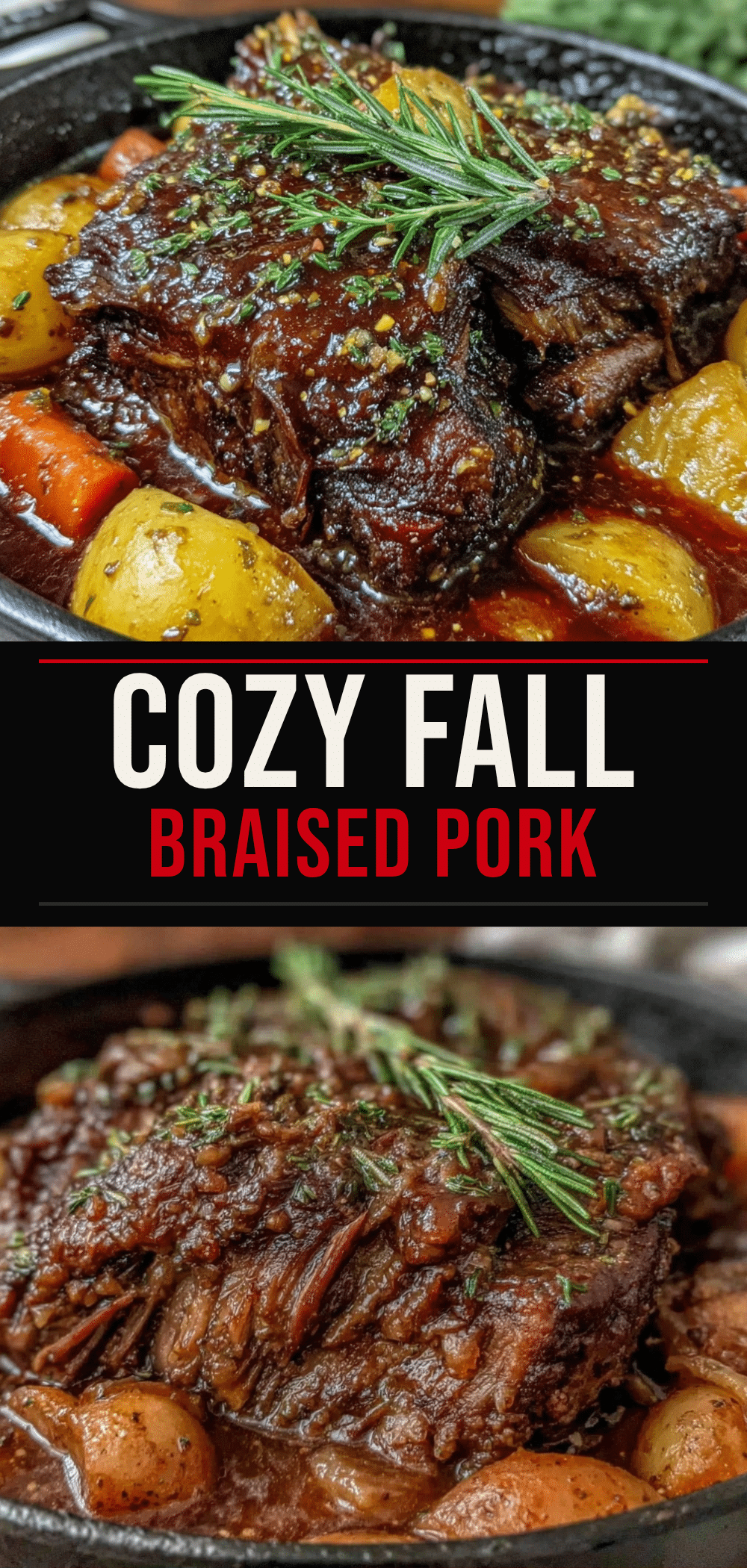
Smoked Maple Dijon Pork Shoulder: Best BBQ Recipe
- Total Time: 4 hours 30 minutes
- Yield: 8-10 servings 1x
Description
A forgiving and flavorful smoked pork shoulder recipe featuring a sticky, savory bark made from maple syrup and Dijon mustard. Perfect for beginners and pitmasters alike, this low-and-slow cook yields tender, fall-apart meat.
Ingredients
- 6–7 lbs Pork Shoulder (Boston Butt)
- 1/3 cup Real Maple Syrup
- 1/4 cup Dijon Mustard
- 2 tbsp Smoked Paprika
- 1 tbsp Garlic Powder
- 1 tbsp Onion Powder
- 1 tbsp Brown Sugar
- 1 tsp Cayenne Pepper (optional)
- 1.5 tbsp Kosher Salt
- 1 tbsp Black Pepper
Instructions
- Take the pork shoulder out of the fridge and let it sit at room temperature for 30-45 minutes. Pat the meat dry with paper towels to ensure a good bark.
- In a small bowl, whisk together smoked paprika, garlic powder, onion powder, brown sugar, cayenne, salt, and black pepper to create the dry rub.
- Rub the Dijon mustard all over the pork shoulder to act as a binder. Generously coat the meat with the dry rub, pressing it in to create an even layer.
- Preheat your smoker to 225°F (107°C) using hickory, oak, or fruit wood chunks. Place the pork fat-side up on the grate.
- Smoke the pork for 3-4 hours without opening the lid for the first two hours, aiming for thin blue smoke.
- When the internal temperature reaches 160°F-165°F and the bark is set, wrap the pork tightly in butcher paper or aluminum foil. If using foil, add a splash of apple cider vinegar or water.
- Return the wrapped pork to the smoker and cook until the internal temperature reaches 203°F (95°C) and a thermometer slides in with no resistance.
- Remove the pork from the smoker and let it rest, still wrapped in a towel inside a cooler or warm oven, for at least 30 minutes (ideally 1 hour) to redistribute juices.
- Shred the pork with two forks and serve with your favorite BBQ sauce, slaw, or pickles.
Notes
The ‘stall’ occurs when the meat temperature plateaus around 150°F-170°F; wrapping the meat helps push through this phase. Resting is crucial for juicy results. For a spicy kick, double the cayenne and add chipotle powder. For a sweet heat variation, add bourbon to the rub.
- Prep Time: 30 minutes
- Cook Time: 4-5 hours
- Category: Main Course
- Cuisine: American
Nutrition
- Serving Size: Approx. 4 oz of meat
- Calories: 280
- Sugar: 3
- Sodium: 450
- Fat: 18
- Saturated Fat: 6
- Carbohydrates: 4
- Protein: 22
Keywords: smoked pork shoulder, bbq recipe, maple dijon rub, pulled pork, smoker recipes, boston butt, low and slow cooking